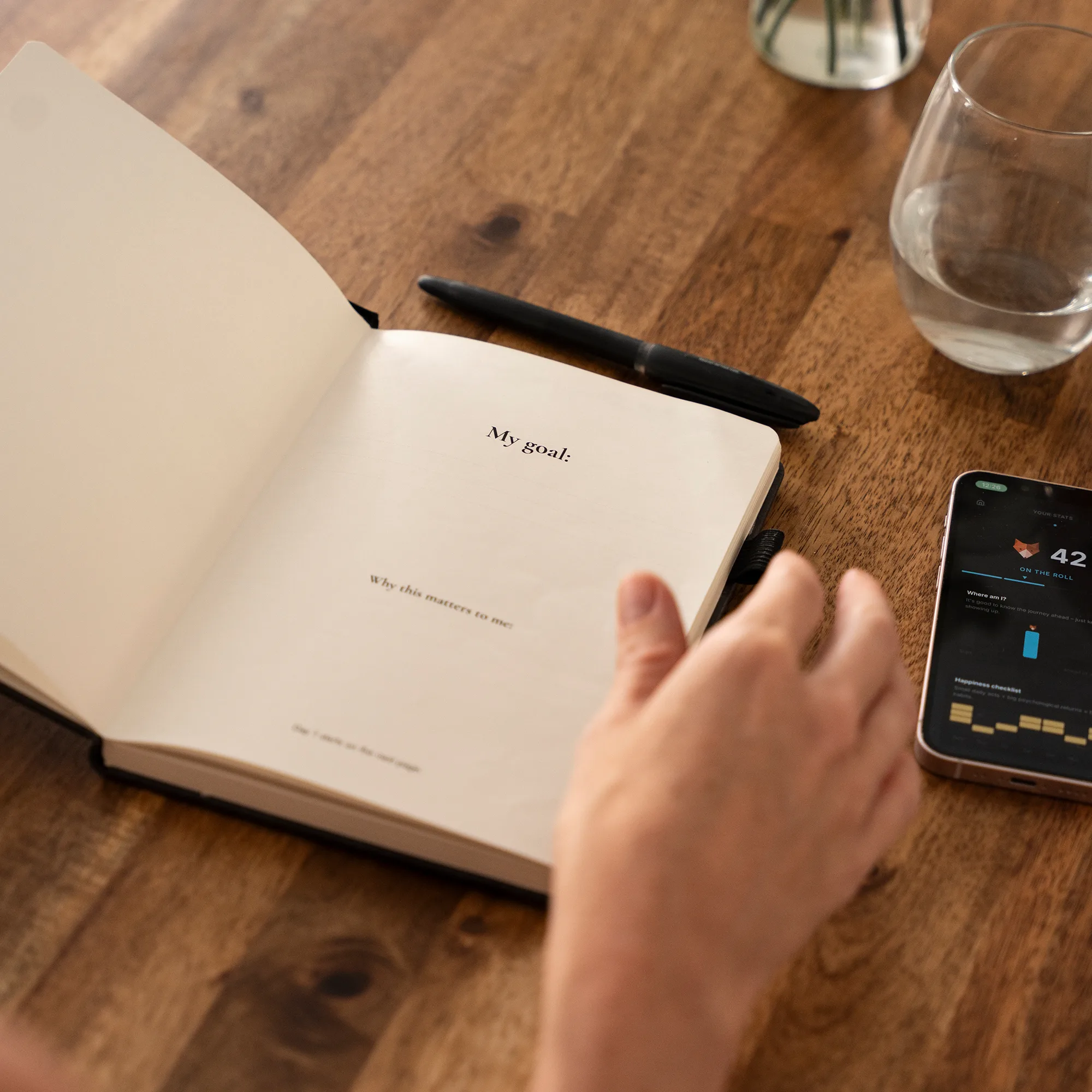
The journal you're holding isn't a diary. It's a tool designed to do one thing: help you notice what's already working in your life, and build a habit around that noticing.
Seven minutes a day. Three prompts. One rule: just show up.
Here's how to use it.
Before you start: set your intention
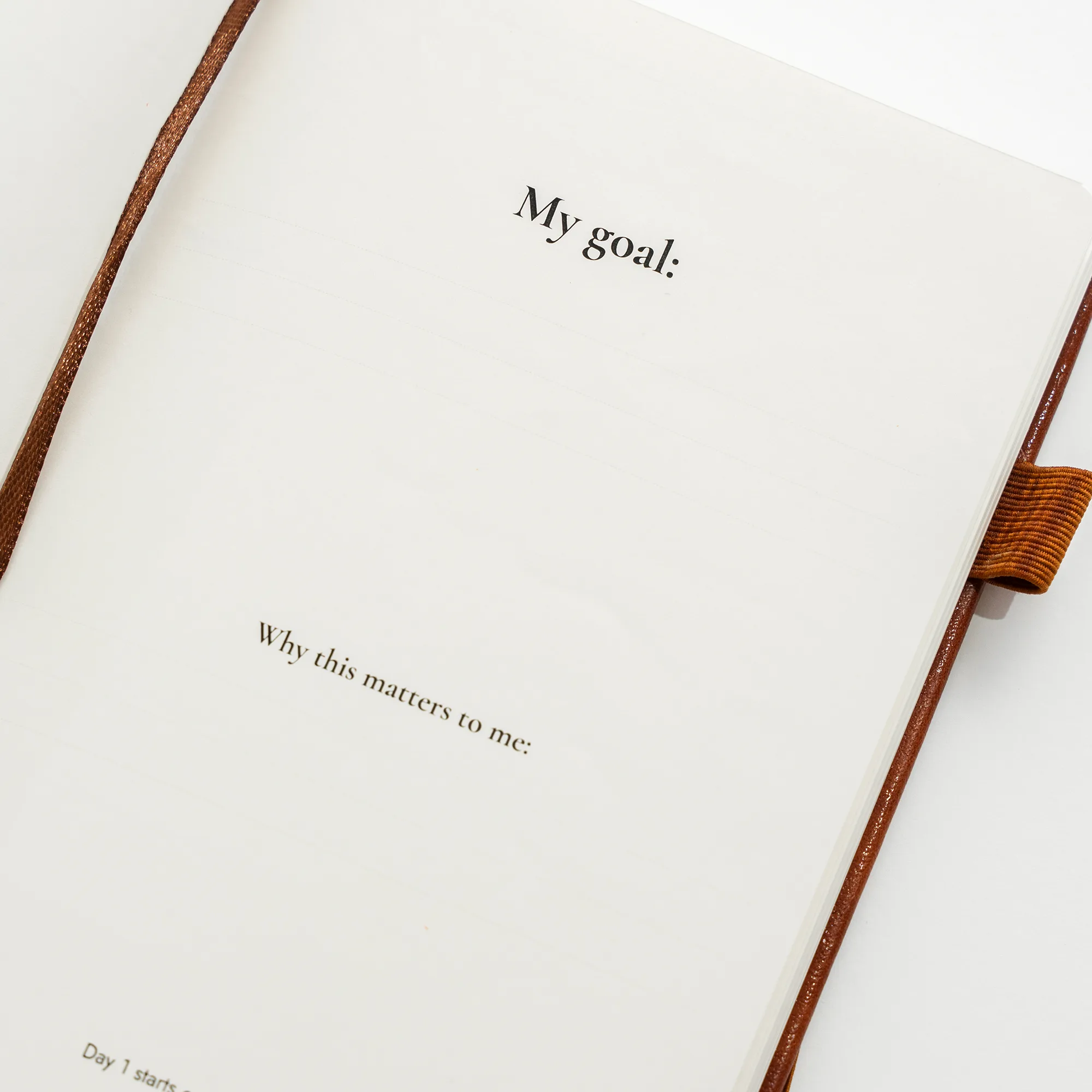
Before Day 1, you'll fill in two lines on the intro page.
My goal: What do you want to feel or accomplish by practicing gratitude daily? Research shows that gratitude practice makes you more patient with yourself, more focused on what matters, and more likely to follow through on what you actually want to do. Your goal might be "feel calmer," "think clearer," "have more energy," or "feel more in control." Name what changes for you if you show up for 66 days.
Why this matters: This journal becomes a record of your life — the small moments that made you smile, the people who matter, the days when everything felt right. Years from now, you'll open it and remember not just what happened, but how you felt. That's why you're here. Not to fix yourself. To notice yourself.
Three Vibes
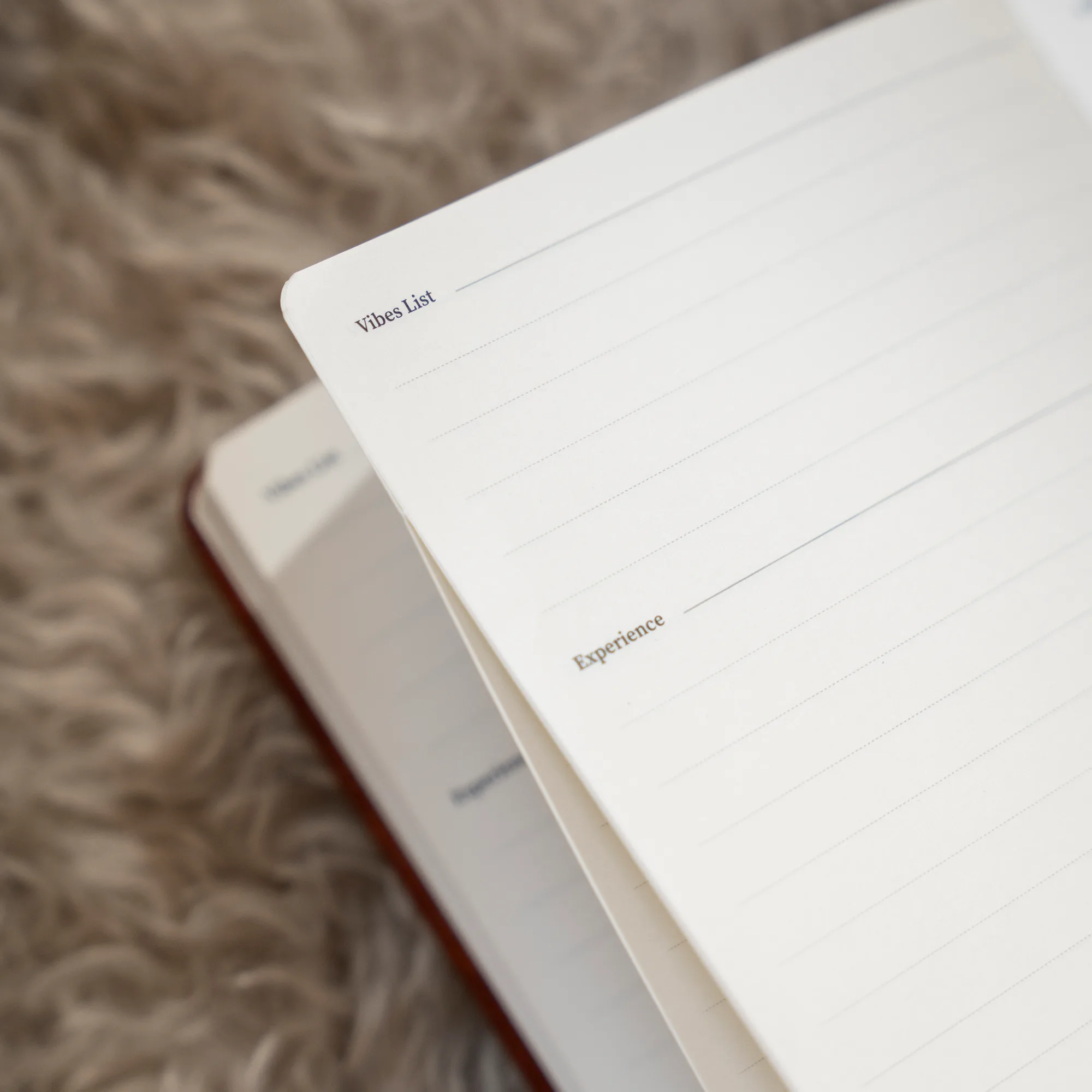
Start here. Write three things you appreciate or feel grateful for today. They don't have to be big.
"Got fresh vegetables for breakfast." "Little one finally went to the potty." "Found a perfect song on Spotify." These count. Specificity matters more than scale. Your brain notices small wins better than abstract appreciation.
The point isn't to convince yourself that life is perfect. It's to notice what's already there. What you notice, grows.
Want to know why this works? Read why gratitude works.
Experience
Capture one meaningful moment from the last 24 hours. A feeling worth remembering. Or make it a note to someone who needs to hear it.
This is where the journal moves beyond gratitude into reflection. You're not listing things anymore — you're deepening a single moment. Write honestly. Write in detail.
Real example: "Yesterday we were at Greta's birthday party. The one thing I noticed is how big the kids have gotten, how much braver Nora is at this age. This made me happy just by observing the process of pure play."
That's not profound. It's observational. And it's exactly what this section is for.
Takeaway
What do you want to carry forward? A lesson learned, something you want to remember, or a feeling worth holding onto.
One sentence is enough.
This is where observation becomes integration. You're asking: what does today actually change about how I see things?
Act of Kindness
Every page has a checkbox. Do something kind — for someone else, for yourself, it doesn't matter. Then strike it through.
The strikethrough matters. You're not checking a box for later. You're marking it complete. One small kindness a day.
How to make it a habit
The journal takes seven minutes. Not because it has to, but because seven minutes is long enough to do the work and short enough that friction disappears.
Do this for 66 days. Then it's no longer discipline — it's just who you are.
After 66 days, you'll feel better. You'll think clearer. People around you will notice.
Start tomorrow. Or today, if today is still in front of you.